
Minimalist table runners, with their clean lines and understated elegance, are transforming dining spaces. Beyond mere practicality, these runners offer a canvas for expressing a sophisticated aesthetic. From the choice of material to the subtle interplay of colors, the nuances of minimalist table runners create an atmosphere of calm and refinement.
This exploration delves into the world of minimalist table runners, examining their diverse styles, materials, and design considerations. We’ll uncover the key elements that define this design philosophy, from subtle patterns to versatile color palettes. Ultimately, understanding these nuances empowers you to curate a dining experience that reflects your personal style and elevates your home’s ambiance.
Defining Minimalist Table Runners
Minimalist table runners are gaining popularity for their clean lines and understated elegance. They embody a contemporary aesthetic, emphasizing simplicity and functionality. This approach often translates to a visually uncluttered space, promoting a sense of calm and focus. Their understated nature makes them adaptable to various dining styles and decor preferences.Minimalist table runners are distinguished by their focus on essential design elements.
They prioritize clean lines, unadorned surfaces, and a muted color palette, often eschewing elaborate patterns or embellishments. This emphasis on simplicity creates a serene atmosphere for dining, perfect for those seeking a tranquil and elegant setting.
Key Design Elements
The core characteristics of minimalist table runners revolve around their design elements. These include a focus on clean lines, geometric shapes, and a muted color palette. Avoiding excessive ornamentation or busy patterns is a defining feature, allowing the runner’s function and the overall dining space to take center stage. These elements contribute to the tranquil and sophisticated atmosphere often associated with minimalist design.
Materials Used
Minimalist table runners utilize a range of materials, each contributing to the overall aesthetic. Natural fibers like linen and cotton are frequently chosen for their soft texture and breathability. Synthetic materials such as polyester and nylon offer durability and ease of maintenance. Bamboo and jute, while natural, also lend a unique aesthetic and textural dimension to the runner.
These materials offer a spectrum of options to suit different preferences and needs.
Comparison to Other Runners
Compared to ornate or patterned table runners, minimalist runners stand out for their simplicity. While elaborate runners may add visual interest, minimalist options focus on creating a sense of calm and order. Their function is to provide a base for the table setting, not to be the focal point of the design. This understated approach appeals to those seeking a contemporary and uncluttered aesthetic.
The difference is often about the level of visual emphasis and the desired overall effect.
Color Palette Examples
Minimalist table runners can be found in a wide range of color palettes, each evoking a different mood. Neutral tones like beige, gray, and white are classic choices, promoting a sense of tranquility and sophistication. Subdued shades of blue, green, and brown can also create a calm and elegant atmosphere. Even bold accents like black or deep burgundy can be incorporated for a touch of contrast and drama.
The color palette selection should align with the overall aesthetic of the dining space.
Material, Color, and Design Element Comparison
| Material | Color Palette | Common Design Elements |
|---|---|---|
| Linen | Beige, Cream, Gray | Simple, straight edges, understated textures |
| Cotton | White, Light Blue, Natural | Clean lines, minimal embellishments, soft drape |
| Polyester | Black, Dark Gray, Navy | Stronger lines, crisp folds, easy maintenance |
| Jute | Brown, Beige, Natural | Rustic, textured, organic lines |
| Bamboo | Natural, Light Brown | Sustainable, organic, minimal design |
Types and Styles
Minimalist table runners offer a refined and adaptable touch to any dining space. Their clean lines and subtle designs complement a wide range of aesthetics, from modern to traditional. Their versatility stems from the range of materials and styles available, each with its own unique qualities.The selection of minimalist table runners extends beyond a simple choice of fabric.
Different types and styles offer distinct characteristics that influence the overall look and feel of a dining table. This exploration will delve into the available materials, patterns, and sizes to guide discerning consumers in selecting the perfect table runner for their space.
Materials and Construction
Minimalist table runners utilize a variety of materials, each with its own unique properties. Woven materials, such as linen and cotton, provide a natural texture and a sense of warmth. Linen, renowned for its breathability and durability, is often preferred for its understated elegance. Cotton, a more affordable option, offers a soft touch and is relatively easy to maintain.
Polyester, a synthetic alternative, often exhibits a crisp and smooth texture, and is known for its wrinkle resistance. These options offer various degrees of softness, durability, and maintenance requirements.
Styles and Patterns
Minimalist table runners encompass a spectrum of styles, from simple solid colors to subtle patterns that enhance the visual appeal without overpowering the table setting. Solid colors offer a blank canvas for other elements of the table decor, such as tableware and flowers. Subtle patterns, such as delicate stripes, woven textures, or subtle geometric designs, introduce a touch of visual interest without disrupting the overall minimalist aesthetic.
Geometric patterns, often incorporating clean lines and symmetrical shapes, are particularly popular for their modern appeal. These choices provide a range of design options for varying personal tastes.
Comparison of Types and Styles
| Type | Style | Key Features | Maintenance |
|---|---|---|---|
| Linen | Solid Color | Natural texture, breathability, durability | Prone to wrinkles, requires ironing |
| Cotton | Subtle Patterns | Soft touch, affordability, easy care | Wrinkles less than linen, machine washable |
| Polyester | Geometric | Crisp texture, wrinkle-resistant, easy care | Low maintenance, machine washable |
Sizes and Lengths for Different Table Sizes
| Table Size (approx.) | Runner Length Recommendation | Runner Width Recommendation |
|---|---|---|
| 48-60 inches | 54-72 inches | 18-24 inches |
| 60-72 inches | 66-84 inches | 20-24 inches |
| 72-96 inches | 78-96 inches | 24-36 inches |
The recommended length and width of the runner should be proportional to the size of the dining table. Runners that are too short can look disproportioned, while those that are too long can overwhelm the space. Considering these proportions is crucial for achieving a balanced and aesthetically pleasing presentation.
Popular Colors and Patterns
- Neutral colors, such as beige, gray, and white, are consistently popular choices for their versatility and ability to complement various decor styles.
- Earthy tones, such as taupe, cream, and olive green, provide a sense of warmth and natural beauty.
- Subtle geometric patterns, such as stripes, herringbone, and chevrons, offer a contemporary touch without overwhelming the table setting.
These colors and patterns are favored for their ability to create a harmonious and aesthetically pleasing dining experience.
Versatility in Home Decor
Minimalist table runners adapt to a wide array of home decor settings. They seamlessly integrate into both modern and traditional spaces. The clean lines and subtle designs allow the runner to serve as a neutral backdrop for more vibrant or patterned tableware, or to complement the natural beauty of flowers and greenery. Their versatility makes them an excellent choice for those seeking a timeless and adaptable touch to their dining area.
Materials and Construction
Minimalist table runners, prized for their clean lines and understated elegance, rely heavily on the properties of their materials. The choice of fabric directly impacts the runner’s tactile experience, durability, and overall aesthetic. Careful consideration of manufacturing processes and potential alternatives ensures the runner meets the demands of both style and practicality.The selection of materials and construction methods for minimalist table runners is pivotal in achieving the desired aesthetic.
The interplay of texture, drape, and color contributes significantly to the overall look and feel of the runner, complementing the minimalist style. This section delves into the characteristics of common materials, manufacturing processes, and durability considerations, ultimately providing a comprehensive understanding of the factors shaping minimalist table runners.
Common Materials and Their Properties
The selection of materials for minimalist table runners often prioritizes natural fibers for their inherent elegance and tactile qualities. Linen, cotton, and silk are frequently used, each with distinct properties influencing the runner’s appearance and feel. Linen’s natural texture and subtle drape lend a rustic yet refined touch, while cotton’s versatility allows for a range of designs and patterns.
Silk, with its luxurious sheen and smooth texture, offers an exquisite touch of sophistication.
Manufacturing Processes
The manufacturing processes used to create minimalist table runners vary based on the chosen material. For linen and cotton, weaving techniques are often employed, with the thread count and weave pattern influencing the final texture and drape. Silk runners may involve more intricate methods like hand-weaving or hand-sewing, which contribute to their unique aesthetic. The precision and care in these processes significantly impact the quality and longevity of the finished product.
Durability and Maintenance
Durability and maintenance requirements vary considerably among materials. Linen, though prone to wrinkles, generally offers good durability. Cotton is known for its resilience, making it a popular choice for everyday use. Silk, while exceptionally beautiful, requires more delicate handling and care due to its delicate nature. Understanding the inherent characteristics of each material is crucial for selecting the appropriate runner for a specific environment and use case.
Impact on Aesthetics and Feel
The chosen material profoundly affects the overall aesthetic and feel of a minimalist table runner. Linen’s natural texture adds a touch of warmth and rusticity. Cotton’s adaptability allows for a clean, modern feel. Silk’s luxurious drape and sheen create a sense of opulence and refinement. The interplay of these factors contributes significantly to the aesthetic appeal of the minimalist runner.
Material Comparison
| Material | Pros | Cons |
|---|---|---|
| Linen | Natural texture, durable, breathable, good drape | Prone to wrinkles, may require more care |
| Cotton | Versatile, affordable, durable, easy to care for | Can appear less luxurious than linen or silk |
| Silk | Luxurious sheen, smooth texture, elegant drape | Delicate, requires specialized care, more expensive |
Alternative Materials
Innovative alternatives to traditional materials are emerging. Recycled materials, such as organic cotton or linen made from sustainable sources, offer environmentally conscious options. Modern fabrics like Tencel, known for its softness and drape, present a viable alternative with a distinct feel. These materials often align with the minimalist ethos of sustainability and high-quality design.
Design Considerations
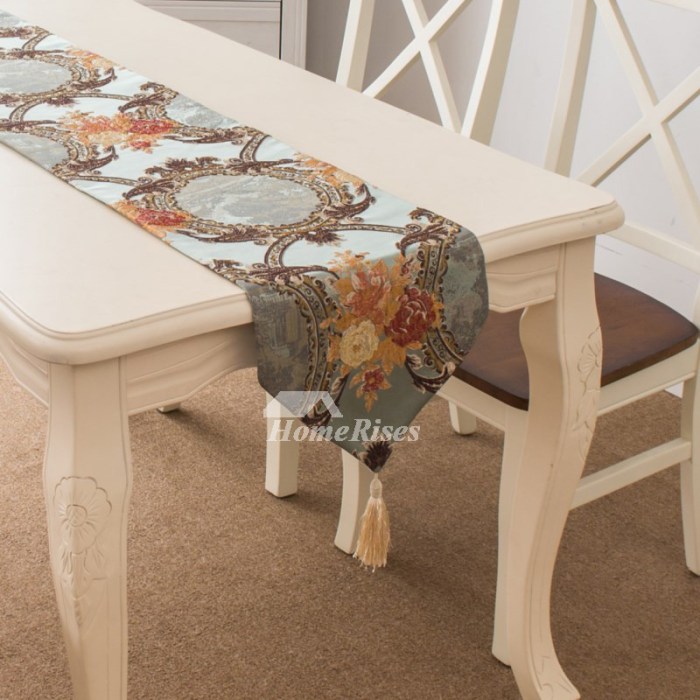
Minimalist table runners, renowned for their clean lines and understated elegance, offer a canvas for sophisticated dining experiences. Careful consideration of color, texture, and scale is paramount to achieving the desired aesthetic and functionality. The subtle choices made in these areas can dramatically impact the overall ambiance of the dining setting.
Color Coordination
Color coordination is crucial for creating a harmonious and visually appealing minimalist table setting. Neutral tones, such as creams, whites, grays, and blacks, are frequently employed, allowing the focal points of the table setting—dishes, silverware, and glassware—to take center stage. Using a single accent color can add a touch of personality without detracting from the minimalist aesthetic. For instance, a deep teal runner might complement a set of brass cutlery, while a soft blush pink runner could beautifully frame white china and gold flatware.
Texture and Patterns
Minimalist table runners, by their nature, often eschew complex patterns. Instead, they frequently emphasize subtle textures. A linen runner, with its natural weave, can evoke a sense of warmth and sophistication. Alternatively, a sleek, smooth runner in a material like silk or a modern woven material might create a sophisticated and modern look. The inclusion of a single, subtle pattern—perhaps a delicate geometric design—can inject a touch of understated interest without overwhelming the space.
It is important to avoid overly busy or distracting patterns when aiming for a minimalist aesthetic.
Incorporating into Different Dining Settings
Minimalist table runners can seamlessly integrate into various dining settings. For a formal dinner party, a sleek, neutral-toned runner can exude elegance. For a more casual gathering, a textured linen runner can evoke a sense of relaxed sophistication. A natural fiber runner, perhaps woven from jute or rattan, could work well in a rustic setting, grounding the table with a touch of earthy warmth.
Selecting Size and Length
The size and length of a minimalist table runner should be carefully considered in relation to the dimensions of the dining table. A runner that’s too short will appear dwarfed by the table, while one that’s too long will overwhelm the space. Ideally, the runner should extend a few inches beyond the edges of the table, creating a sense of balance and visual interest.
Measurements should be taken carefully to ensure the runner perfectly complements the table’s size.
Enhancing the Dining Experience
Minimalist table runners can be used to enhance the overall dining experience in a variety of ways. A runner can define the space, drawing attention to the table’s importance. A well-chosen runner can elevate the aesthetic appeal of a simple meal, creating a feeling of occasion and attention to detail. For example, a simple, neutral-toned runner on a dining table can immediately create a sophisticated ambiance, setting the tone for a more memorable and enjoyable meal.
Design Considerations Table
| Design Consideration | Explanation | Example |
|---|---|---|
| Color Coordination | Using neutral tones or a single accent color for harmony. | A white runner with a single pop of deep red. |
| Texture | Choosing materials like linen or silk to create subtle visual interest. | A linen runner with a subtle weave. |
| Patterns | Using subtle or geometric patterns to add a touch of interest without overwhelming the space. | A runner with a subtle repeating geometric design. |
| Size and Length | Selecting a runner that complements the table size for a balanced look. | A runner that extends a few inches beyond the table’s edge. |
| Dining Setting | Adapting the runner to the overall style of the dining area (formal, casual, rustic). | A jute runner for a rustic setting. |
Care and Maintenance
Preserving the clean lines and enduring appeal of minimalist table runners hinges on meticulous care. Proper maintenance not only extends the lifespan of these sophisticated pieces but also ensures they maintain their aesthetic integrity, seamlessly integrating into the overall design scheme of a dining space. Careful consideration of materials, washing techniques, and stain prevention strategies is paramount for long-term satisfaction.Maintaining the pristine aesthetic of minimalist table runners necessitates a nuanced approach, tailoring care to the specific material composition.
Different fabrics react differently to cleaning methods, and understanding these nuances is key to preserving their inherent qualities and visual appeal. This section delves into the specifics of cleaning and upkeep, ensuring your minimalist table runners remain a source of refined beauty and lasting elegance.
Washing and Drying Procedures
Maintaining the pristine condition of minimalist table runners hinges on understanding and adhering to the specific care instructions for each material. Different fabrics require distinct washing and drying methods to prevent damage and maintain their form and color. For instance, linen table runners might benefit from a delicate hand wash, whereas those crafted from cotton might tolerate a machine wash on a gentle cycle.
Following the manufacturer’s instructions is crucial to avoid shrinkage, discoloration, or other detrimental effects.
Stain Prevention and Treatment
Preventing stains is often more effective than treating them. Minimizing the risk of spills and food stains requires a proactive approach, such as placing placemats or runners underneath the main table runner. Prompt action is key if a stain does occur. Using appropriate cleaning agents and blotting techniques, instead of rubbing, is essential to avoid spreading the stain or damaging the fabric.
Understanding the specific stain-resistant properties of each material, such as the inherent water-repellency of certain wovens, will guide the best course of action.
Longevity and Aesthetic Appeal
The longevity of minimalist table runners is directly correlated with proper care. Consistent adherence to the recommended washing and drying methods, combined with stain prevention measures, significantly extends the lifespan of these elegant pieces. Proper care not only protects the material but also preserves the intended aesthetic. A table runner that is well-maintained over time will remain a focal point of design appeal, retaining its subtle elegance and visual sophistication.
Over time, the natural aging of certain materials can contribute to the unique character of the table runner, enhancing its visual interest and appeal.
Material-Specific Care Guide
| Material | Washing | Drying | Stain Prevention |
|---|---|---|---|
| Cotton | Machine wash, gentle cycle, cold water | Tumble dry, low heat, or lay flat to dry | Use placemats or runners, blot spills immediately |
| Linen | Hand wash, cold water, mild detergent | Air dry or lay flat | Use placemats or runners, blot spills immediately |
| Silk | Dry clean only | Lay flat to dry | Use placemats or runners, blot spills immediately |
| Wool | Dry clean only | Lay flat to dry | Use placemats or runners, blot spills immediately |
| Polyester | Machine wash, gentle cycle, cold water | Tumble dry, low heat | Use placemats or runners, blot spills immediately |
Pricing and Accessibility
Minimalist table runners, prized for their clean lines and understated elegance, often command a price range that reflects the materials and craftsmanship involved. Understanding this price spectrum is crucial for discerning consumers seeking a runner that aligns with their budget and aesthetic. The accessibility of minimalist designs can vary significantly, influenced by factors like the type of fabric, the level of intricacy in the design, and the brand reputation.
Price Range for Minimalist Table Runners
The cost of minimalist table runners spans a wide spectrum. Budget-friendly options often utilize readily available materials like linen or cotton, featuring simple designs. Mid-range runners might incorporate more luxurious fabrics like silk or wool, showcasing slightly more complex patterns or embellishments. High-end runners frequently utilize bespoke materials like hand-woven silk or intricate embroidery, reflecting a higher level of craftsmanship and artistry.
Price Points for Different Types
Various price points correspond to different types of minimalist runners. Linen or cotton table runners, with basic designs, typically fall within the lower price range, starting from around $20 to $50. Runners crafted from natural fibers like jute or seagrass, often featuring subtle textures, tend to fall in the mid-range, costing between $50 and $150. Runners made from silk or other premium fabrics, often featuring hand-stitched details or unique patterns, command higher prices, exceeding $150.
Retailers and Online Marketplaces
Several retailers and online marketplaces cater to the demand for minimalist table runners. These include:
- Etsy: A popular online marketplace known for its handmade and artisanal items, including unique minimalist table runners.
- West Elm: A well-regarded home goods retailer offering a range of minimalist table runners that cater to various styles and budgets.
- Pottery Barn: Another popular home goods retailer with a minimalist aesthetic, featuring a selection of runners.
- Wayfair: An online retailer offering a large selection of table runners, including minimalist designs, at various price points.
- Amazon: A massive online retailer with a vast selection of table runners, including minimalist options, from different brands and price points.
Exploring these platforms often unveils a wealth of options, from basic linen runners to sophisticated silk-embroidered designs.
Finding Affordable Options
Seeking affordable minimalist table runners involves a strategic approach. Consider opting for runners made from readily available natural fibers like linen or cotton. Look for retailers offering sales or discounts, or consider purchasing during seasonal promotions. Additionally, browsing independent designers or smaller online shops can reveal affordable options.
Accessibility for Different Budgets
Minimalist table runners are accessible to a variety of budgets. Budget-conscious consumers can find suitable runners in linen or cotton at lower price points. Mid-range budgets can explore options made from natural fibers like jute or seagrass. Luxury-minded individuals can find bespoke runners made from silk or other premium fabrics.
Comparison of Material Prices
The price of a minimalist table runner is significantly influenced by the material used. Cotton and linen, being readily available natural fibers, typically result in lower-priced runners. More luxurious fabrics like silk or wool, often with intricate weaving or embroidery, command substantially higher prices. Consider the cost of the material when making a purchase decision.
Pairing with Other Decor
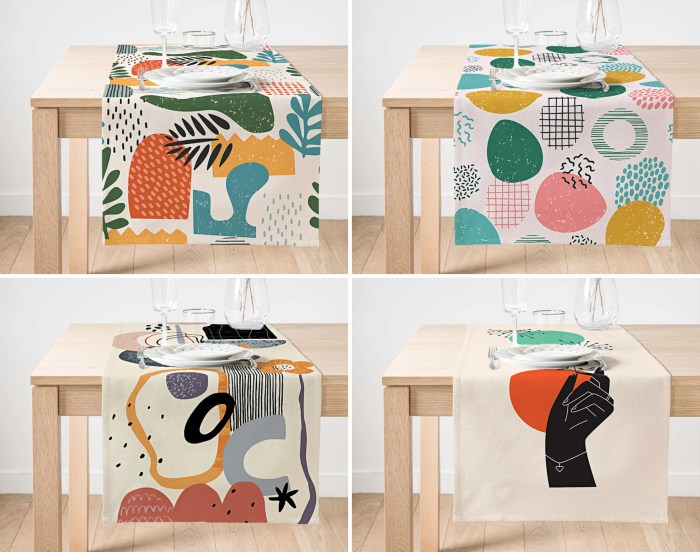
Minimalist table runners, with their clean lines and neutral palettes, offer a versatile foundation for creating a sophisticated and harmonious dining atmosphere. They act as a blank canvas, allowing other elements of the décor to take center stage while maintaining a sense of calm and elegance. Careful consideration of chair styles, tableware choices, and overall dining room aesthetic will amplify the understated beauty of the runner.Integrating minimalist table runners into a dining space requires a nuanced understanding of how different design elements interact.
The goal is to achieve a cohesive and aesthetically pleasing setting without sacrificing the runner’s inherent simplicity. This involves selecting pieces that complement the runner’s design, rather than competing with it, creating a harmonious blend of textures, colors, and shapes.
Complementing Dining Chairs
The choice of dining chairs significantly impacts the overall aesthetic. Matching the chair’s style to the table runner’s simplicity can either enhance or detract from the minimalist design. For instance, chairs with clean lines and a simple silhouette, like Scandinavian-style designs, work well with minimalist table runners. Conversely, ornate or heavily patterned chairs might clash with the runner’s understated elegance, potentially detracting from the intended minimalist ambiance.
Matching Tableware and Place Settings
The success of a minimalist table runner depends on the selection of tableware and place settings. Neutral tones, such as whites, creams, or grays, work seamlessly with minimalist table runners, allowing the runner to be the focal point. Metallic accents, such as silver or gold, can add a touch of sophistication without overpowering the runner’s understated elegance. Avoid overly patterned or colorful tableware, as these elements can disrupt the visual harmony.
Focus on textures and shapes to add depth without compromising the minimalist aesthetic. For instance, a simple white ceramic dinnerware set with a subtle embossed pattern will complement the runner effectively.
Enhancing Dining Room Aesthetics
A well-chosen minimalist table runner can significantly elevate the dining room’s overall aesthetic. The runner creates a cohesive focal point, directing the eye towards the table and setting the stage for a harmonious dining experience. Consider the lighting in the room; soft, diffused lighting can highlight the runner’s understated beauty. Incorporating natural elements, such as plants or flowers, can add a touch of warmth and life to the minimalist setting without disrupting the overall aesthetic.
The use of natural materials like wood or stone for the table will further reinforce the minimalist feel.
Creating a Cohesive Dining Space
Creating a cohesive dining space with minimalist table runners involves thoughtful consideration of the entire setting. The table runner’s neutral color palette allows for a range of complementary décor options. For example, soft, neutral wall colors and a neutral rug will seamlessly blend with the runner, ensuring the space feels unified and visually appealing. Incorporate a single, impactful piece of art or a sculptural object to add a touch of personality without overpowering the minimalist aesthetic.
Integrating with Home Decor Styles
Minimalist table runners are adaptable to various home décor styles. They work harmoniously with contemporary, Scandinavian, modern farmhouse, and industrial designs. The clean lines and neutral colors of the runner act as a unifying element, tying these diverse styles together. For a contemporary space, consider sleek, geometric patterns or bold textures for the chairs and tableware. A Scandinavian aesthetic will benefit from natural materials and light colors.
A modern farmhouse style can embrace rustic textures like woven placemats and linen napkins.
Dining Setting Pairings for Minimalist Table Runners
| Table Runner Style | Chair Style | Tableware | Overall Aesthetic |
|---|---|---|---|
| Neutral linen, subtle texture | Simple wooden legs, upholstered in linen or leather | White ceramic dinnerware, gold cutlery | Modern Scandinavian |
| Solid, dark gray cotton | Sleek metal legs, upholstered in black leather | Matte black dinnerware, silver cutlery | Contemporary, Industrial |
| Off-white linen with subtle embroidery | Wooden legs, upholstered in natural linen | Natural ceramic dinnerware, neutral-toned cutlery | Modern Farmhouse, Rustic |
Visual Inspiration and Examples
Minimalist table runners, with their clean lines and understated elegance, offer a versatile canvas for enhancing dining aesthetics. They can transform a simple meal into a sophisticated experience, subtly elevating the overall ambiance of a space. Understanding how different design elements and lighting play a role in creating visual impact is crucial to achieving the desired effect.The minimalist approach, at its core, prioritizes simplicity and functionality.
Table runners, in this context, become a sophisticated tool to visually define a space without overwhelming the other elements of the setting. They are meant to complement, not compete with, the surrounding decor, setting a calm and sophisticated mood.
Visual Inspiration Gallery
Minimalist table runners can be seamlessly integrated into various dining environments. From rustic farmhouses to modern apartments, the versatility of these runners is evident. The following visual representations showcase a diverse range of settings and styles, demonstrating the adaptable nature of minimalist table runners. 
Image 1: A light oak dining table, bathed in soft, ambient lighting, features a crisp white linen table runner. White candles and a vase of muted greenery add subtle pops of color, maintaining a tranquil and calming aesthetic. The focus is on the interplay of natural materials and the subtle lighting.

Image 2: A sleek black table runner anchors a contemporary dining space. The black runner contrasts beautifully with white and black patterned plates and cutlery, creating a bold yet balanced look. Strong directional lighting, like spotlights, emphasizes the clean lines of the runner and the objects on the table.

Image 3: A warm and inviting dining area features a beige-toned runner. The neutral color palette harmonizes with the surrounding decor, creating a cozy and relaxed ambiance. Soft, diffused lighting from recessed ceiling fixtures gently illuminates the space, casting a warm glow over the table runner.
Notable Designers and Brands
The minimalist design aesthetic is well-represented by several prominent designers and brands. Their commitment to clean lines and understated elegance is reflected in their table runner designs.
- A.I. Design: Known for its innovative use of materials and focus on functionality, A.I. Design’s table runners often feature geometric patterns and subtly textured surfaces.
- Studio 10: Studio 10’s designs prioritize simple forms and refined details. Their table runners are typically characterized by neutral colors and high-quality craftsmanship.
- Modern Minimalism Co.: This brand excels in creating table runners that seamlessly blend form and function. Their focus is on practical yet aesthetically pleasing designs.
Inspirational Design Examples
These examples demonstrate the versatility of minimalist table runners in various settings.
- Modern Farmhouse: A minimalist runner in a natural linen or jute weave complements the warm tones and rustic elements of a modern farmhouse setting. This creates a harmonious blend of modern design with natural textures.
- Industrial Chic: A black leather or metal table runner can add a touch of sophistication and industrial character to a chic dining area, highlighting the sleek and bold aesthetic.
Lighting Effects
Strategic lighting can dramatically enhance the appearance of minimalist table runners.
- Ambient Lighting: Soft, diffused lighting, such as recessed lighting or table lamps, creates a warm and inviting atmosphere, highlighting the subtle textures and colors of the runner.
- Directional Lighting: Spotlights or focused lamps can emphasize the clean lines and architectural details of a minimalist table runner.
Comparative Analysis of Minimalist Runners
The following table provides a comparative analysis of different minimalist table runner examples, highlighting their key characteristics and design differences.
| Example | Material | Color Palette | Design Style | Impact |
|---|---|---|---|---|
| Image 1 | Linen | White | Neutral, Calm | Creates a tranquil and inviting atmosphere. |
| Image 2 | Polyester | Black | Bold, Contemporary | Adds a sophisticated touch to a modern space. |
| Image 3 | Cotton | Beige | Relaxed, Cozy | Creates a welcoming ambiance, suitable for casual dining. |
Trends and Future Prospects
Minimalist table runners are experiencing a sustained period of evolution, driven by shifting consumer preferences and advancements in design and manufacturing. The core principles of simplicity and elegance continue to be central, but designers are exploring new ways to express this aesthetic, incorporating emerging materials and innovative construction techniques. This dynamic environment offers both opportunities and challenges for manufacturers and retailers looking to stay ahead of the curve.
Current Trends in Minimalist Table Runner Design
Contemporary minimalist table runners are increasingly incorporating subtle textural variations. Woven linen and cotton blends are gaining traction for their inherent warmth and tactile appeal. Geometric patterns, though subtle, are making a comeback, offering visual interest without overwhelming the overall aesthetic. Emphasis on clean lines and asymmetry continues to define the look, creating a sense of modern sophistication.
The use of natural, neutral color palettes, such as muted grays, creams, and beiges, remains a consistent choice, allowing the runners to seamlessly integrate with a wide array of decor styles.
Emerging Materials and Styles
Several materials are poised to play a significant role in future minimalist table runner designs. Recycled and sustainable materials are gaining popularity, driven by environmental consciousness and consumer demand. Bamboo, with its inherent strength and sustainable sourcing, is a prime example. Recycled plastics, while still relatively nascent, offer an innovative approach to material sourcing. Further exploration of innovative textile blends, incorporating recycled or organic materials, is expected to increase.
The use of natural fibers like seagrass and jute, for their unique textures and eco-friendly attributes, will likely continue to be a key feature. Additionally, the incorporation of metallic threads, or subtle accents of reflective materials, offers a way to add a touch of modern flair without compromising the minimalist aesthetic.
Future Trends in Minimalist Table Runners
The future of minimalist table runners is likely to be characterized by a greater emphasis on customization. Consumers are increasingly seeking unique and personalized pieces, which will drive demand for tailored options and bespoke designs. Interactive table runners that incorporate lighting or subtle projections are also potential areas for innovation. Such advancements would allow the runner to function as more than just a decorative element, adding a layer of dynamic interaction to the dining experience.
For example, subtle LED lighting integrated into a runner could be programmed to change colors with the mood of the room or the time of day. Smart table runners, capable of adjusting temperature or humidity, could further enhance the user experience.
Potential Advancements in Manufacturing and Design
Manufacturing techniques will likely evolve to address the need for personalized and complex designs. 3D printing, with its potential for intricate patterns and customized shapes, may emerge as a viable manufacturing method. Digital textile printing offers a means of producing unique and personalized patterns on minimalist runners. This innovation will be vital in catering to the growing demand for customization and individuality.
Modular design, allowing consumers to combine different runner segments, will also gain traction, offering flexibility and design freedom.
Evolution of Minimalist Table Runners Over Time
Minimalist table runners have undergone a noticeable evolution from their initial form. Initially focused on simplicity and clean lines, the designs have incorporated subtle textures and patterns to add visual interest without detracting from the overall aesthetic. The use of natural materials and sustainable sourcing has become more prevalent as environmental concerns have increased, and these changes reflect a broader trend of conscious consumerism.
The evolution demonstrates a shift from a purely functional element to a sophisticated decorative item.
Predicted Trends and Styles for Minimalist Table Runners
| Trend | Style | Description |
|---|---|---|
| Sustainable Materials | Recycled Plastic | Table runners crafted from recycled plastics, showcasing a commitment to environmental sustainability. |
| Interactive Design | Embedded Lighting | Runners incorporating subtle LED lighting for customizable ambiance and mood enhancement. |
| Customization | Modular Designs | Table runners constructed in modular segments for personalized configurations and flexibility. |
| Textile Innovation | Natural Fiber Blends | Runners using natural fibers like seagrass and jute in innovative blends for unique textures and sustainability. |
| Geometric Detailing | Subtle Patterns | Runners featuring subtle geometric patterns or asymmetric designs for visual interest without being overwhelming. |
Creative Applications
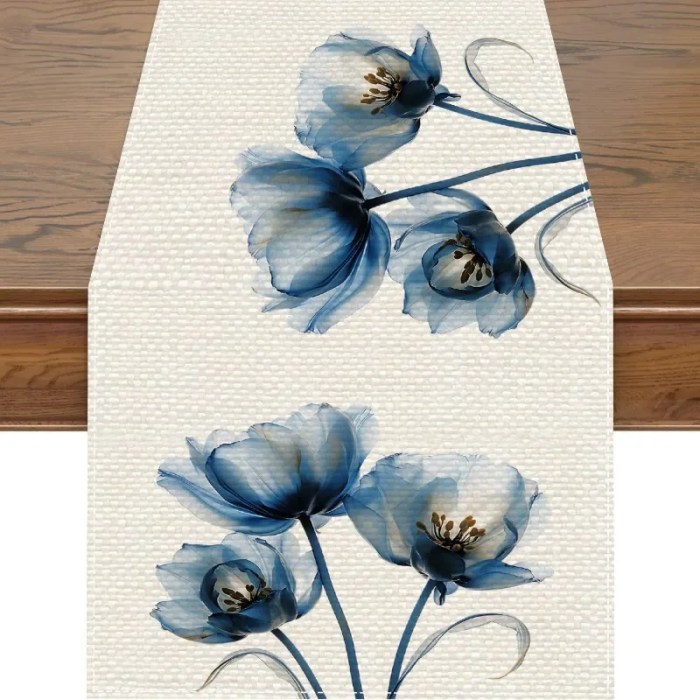
Minimalist table runners, celebrated for their clean lines and understated elegance, transcend their traditional dining room role. Their adaptability makes them valuable decorative assets throughout the home, offering a canvas for creative expression and unique aesthetic statements. This versatility extends beyond the dining table, providing opportunities for imaginative design and reimagining their function.Beyond their traditional use, minimalist table runners offer a surprising array of creative applications.
Their neutral palettes and simple designs make them highly adaptable to various settings and projects. Their low-key presence allows other elements to shine, making them perfect for accentuating a room’s existing character.
Alternative Uses in the Home
The adaptability of minimalist table runners extends far beyond the dining area. They can be strategically employed as decorative accents in various rooms, enhancing their visual appeal and adding a touch of sophistication. For instance, consider using them as a backdrop for displays of photographs, sculptures, or small plants. Their smooth surfaces create a sophisticated platform for delicate or contemporary pieces.
They can also serve as runners for windowsills, adding a sense of order and visual interest to the space.
Creative Event Integration
Minimalist table runners offer unparalleled flexibility for unique events. Their understated elegance provides a neutral backdrop for thematic decorations, allowing the event’s personality to take center stage. For a sophisticated cocktail party, use them to delineate seating areas or create a visually appealing transition between different sections of the space. Incorporate varying lengths of table runners for a touch of visual dynamism.
Repurposing for Decorative Projects
The simplicity of minimalist table runners allows for creative repurposing in various decorative projects. Their clean lines and consistent style make them ideal for crafting new items. For example, they can be cut into smaller strips and used to create decorative borders for picture frames or mirrors, adding a subtle yet sophisticated touch. They can also be sewn together to form a larger runner for a unique wall hanging or a stylish headboard.
These possibilities are only limited by one’s imagination.
Examples Beyond Traditional Function
Beyond their traditional use as table coverings, minimalist table runners offer a multitude of creative applications. They can be transformed into elegant placemats for a unique touch. They can also be used to line shelves, creating a visual harmony and aesthetic appeal.
Table: Creative Applications
| Application | Description |
|---|---|
| Windowsill Runner | Use as a decorative runner on windowsills to add a touch of sophistication. |
| Photo Display Backdrop | Create a sophisticated backdrop for displaying photographs or artwork. |
| Seating Area Delineator | Define seating areas at events by using varying lengths of table runners. |
| Shelf Liner | Line shelves to enhance visual appeal and create a cohesive aesthetic. |
| Placemat | Transform into elegant placemats for a unique dining experience. |
| Wall Hanging/Headboard | Sew together to create a stylish wall hanging or headboard. |
| Decorative Border | Cut into strips to create decorative borders for picture frames and mirrors. |
Closure
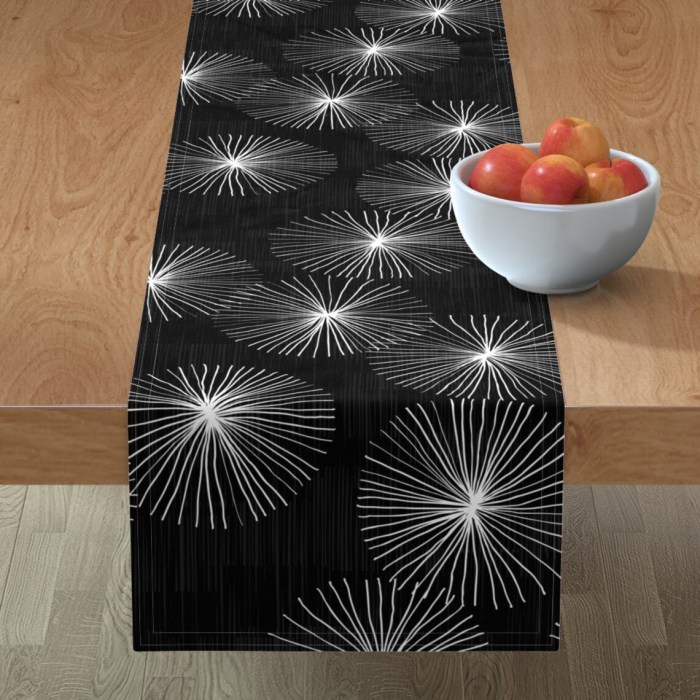
In conclusion, minimalist table runners offer a compelling blend of style and functionality. Their adaptability across diverse dining settings and home decor styles makes them a valuable addition to any space. By considering material choices, design elements, and maintenance practices, you can elevate your dining area while expressing a refined aesthetic. This guide provides the tools to make informed decisions and create a space that reflects both contemporary taste and enduring elegance.
