
Screw-in curtain holders offer a versatile and reliable solution for hanging curtains, providing a wealth of options from simple single-holder designs to elaborate multi-holder systems. This guide delves into the intricacies of these holders, exploring their diverse materials, installation methods, and applications, ultimately empowering consumers to make informed choices.
From selecting the right material for your aesthetic and needs to understanding proper installation techniques, this comprehensive analysis covers every aspect of screw-in curtain holders, providing practical insights and detailed comparisons to help you find the perfect fit for your space. The guide also examines the critical role of safety precautions in the installation process, emphasizing the importance of correct measurement and secure fastening.
Product Overview
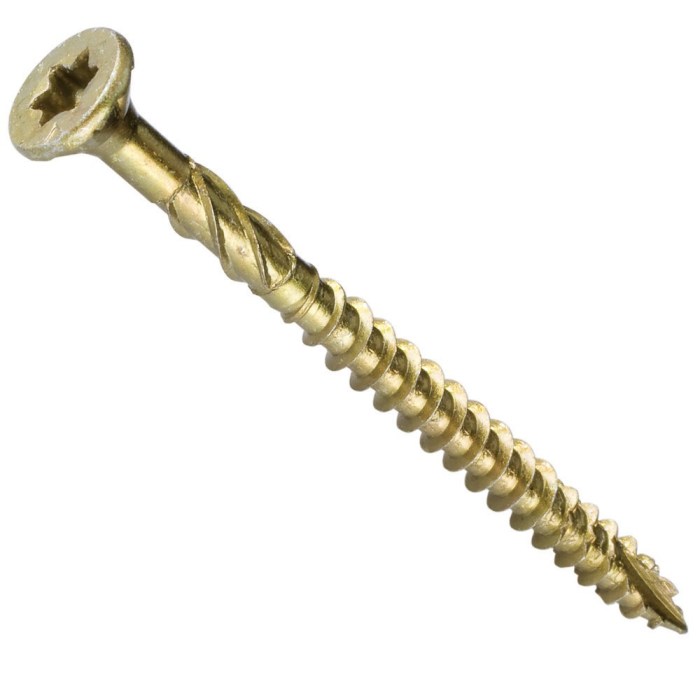
Screw-in curtain holders, a fundamental fixture in residential and commercial interiors, offer a versatile and practical solution for hanging curtains and drapes. Their simple design, coupled with robust construction, ensures long-lasting functionality and a clean aesthetic. This overview delves into the diverse range of these holders, highlighting variations in materials, finishes, and mounting capabilities.Screw-in curtain holders are available in a multitude of configurations, each tailored to specific needs.
Types of Screw-in Curtain Holders
Different types of screw-in curtain holders cater to various curtain styles and installation requirements. Single holders are the most basic option, suitable for single panels. Double holders provide support for thicker or heavier drapes, while multi-holder systems, sometimes referred to as “track” systems, are designed for large window treatments, or those requiring multiple support points for wider or heavier curtains.
The choice of type significantly impacts the overall look and functionality of the window treatment.
Materials Used in Construction
The materials used in constructing screw-in curtain holders directly influence their durability, aesthetics, and price point. Metal, plastic, and wood are the prevalent choices. Metal, often in steel or aluminum, is prized for its strength and longevity. Plastic, frequently a composite material, provides a more affordable option while maintaining reasonable structural integrity. Wood, traditionally used for bespoke window treatments, offers a more rustic or elegant aesthetic.
Finishes and Coatings
The finishes and coatings applied to screw-in curtain holders play a critical role in their visual appeal and resistance to corrosion. Common finishes include chrome, brushed nickel, and painted options in a wide array of colors. Chrome provides a bright, contemporary look, while brushed nickel offers a sophisticated, understated aesthetic. Painted finishes enable customization to match specific interior design schemes.
Comparison of Material Types
| Material | Pros | Cons |
|---|---|---|
| Metal (e.g., Steel, Aluminum) | High durability, resistant to wear and tear, generally long lifespan, strong and sturdy. | Can be heavier than other options, may require more extensive installation depending on the type of wall. |
| Plastic (e.g., Composite Materials) | Lightweight, affordable, often easier to install due to lower weight, readily available in a range of colors. | Generally lower durability compared to metal, may not be suitable for heavy curtains or high-traffic areas, can be susceptible to breakage. |
| Wood | Elegant aesthetic, often perceived as higher quality, good for traditional or rustic designs. | Susceptible to moisture damage and decay, more expensive than plastic or metal, may require more specialized installation techniques. |
Installation Methods
Ensuring a secure and aesthetically pleasing installation is paramount for screw-in curtain holders. Proper installation techniques, taking into account the type of wall and the specific holder design, are crucial for longevity and prevent damage. This section details the steps involved, emphasizing the importance of wall preparation and providing examples for various wall types.Accurate measurements and proper anchoring are critical to prevent future issues, such as loosening or damage to the wall.
The following sections Artikel the procedures for installing single-holder designs and calculating the appropriate spacing for multiple holders.
Wall Preparation
Thorough wall preparation is essential for a successful and lasting installation. This involves evaluating the wall’s condition and ensuring a solid foundation for the holders. Insufficient preparation can lead to premature failure or damage to the wall.
- Assessment of Wall Type: Identifying the wall type (e.g., drywall, concrete, plaster) is the first step. Different materials require different installation approaches to ensure stability and prevent damage.
- Drilling Techniques: Precise drilling is critical. Using the correct drill bit size for the screw type prevents damage to the wall and ensures proper alignment of the holder.
- Anchoring for Support: In some cases, using wall anchors is necessary to provide additional support for the screw-in holders, particularly on drywall or less sturdy walls. This reinforces the installation and prevents the holders from loosening or pulling out.
Installation Steps for Single-Holder Design
The following steps detail the process for installing a single screw-in curtain holder. Accurate measurements are crucial for a clean and professional finish.
- Marking and Measuring: Mark the desired location on the wall using a pencil. Measure the distance from the top of the wall to the desired mounting point.
- Drilling the Hole: Use a drill bit appropriate for the screw type to create a pilot hole. This prevents the screw from damaging the wall surface and ensures even distribution of force.
- Inserting the Anchor (if applicable): If using wall anchors, insert the anchor into the drilled hole. Follow the manufacturer’s instructions for proper insertion depth.
- Securing the Holder: Insert the screw into the holder and then into the hole, ensuring the holder is aligned with the mark on the wall. Tighten the screw using a screwdriver until snug.
- Checking the Alignment: Verify the holder is level and securely mounted. This step ensures the curtains will hang straight and prevents future issues.
Measuring for Multiple Holders
Determining the appropriate distance between multiple holders is crucial for achieving a balanced and even look.
- Determining Curtain Length: Measure the length of the curtain to be hung. This measurement helps determine the number of holders needed and the spacing between them.
- Calculating Spacing: Divide the total length of the curtain by the number of holders. This will give the ideal spacing for the holders to ensure an even distribution of weight and a consistent appearance.
- Adjusting for Style: Adjust the spacing based on the desired aesthetic. For a more dramatic look, increase the spacing between the holders. For a more compact look, decrease the spacing. It’s important to strike a balance between aesthetics and structural integrity.
Types and Variations
Screw-in curtain holders offer a diverse range of styles and sizes, catering to various curtain needs and aesthetic preferences. From simple, functional designs to more elaborate options, these holders provide a flexible and adaptable solution for window treatments. This section explores the diverse types of screw-in holders, their suitability for different curtain materials, and the nuances of wall-mount versus ceiling-mount options.
Styles and Sizes
A variety of screw-in curtain holders are available, differing in their design, size, and finish. Some are sleek and minimalist, while others feature decorative elements. The size of the holder directly impacts the weight it can support, which is crucial for choosing the right holder for your specific curtain type. Smaller holders are ideal for lightweight sheer curtains, while larger, more robust options are necessary for heavier drapes or blackout curtains.
Measurements of the holder, such as the width and the spacing between the mounting points, are crucial considerations in selecting the correct size for the intended curtains.
Curtain Type Compatibility
Selecting the right curtain holder is contingent on the type of curtain being hung. Lightweight sheer curtains can be supported by smaller, more delicate holders, often featuring a single, simple mounting arm. Heavy drapes or blackout curtains, conversely, necessitate more substantial holders with multiple mounting points to accommodate the added weight. The material of the curtain itself is also a critical factor.
Holders designed for thicker fabrics will typically have a more robust design. For example, a blackout curtain, composed of multiple layers of dense fabric, requires a more substantial holder with a higher load capacity than a light sheer curtain.
Mounting Options
The mounting option significantly influences the suitability of a screw-in curtain holder. Wall-mounted holders are the most common, suitable for most window treatments and providing a versatile mounting solution. Ceiling-mounted holders, on the other hand, are ideal for high windows or when a clean, uninterrupted look is desired, creating a visually elegant and streamlined aesthetic. The choice depends on the desired look and the window’s specific placement.
Ceiling-mounted holders, for instance, can be a better choice for taller windows where a wall-mounted holder might appear to be insufficient or aesthetically unappealing.
Compatibility Chart
| Holder Type | Curtain Type | Compatibility |
|---|---|---|
| Simple, single-arm holder | Lightweight sheer curtains | Excellent |
| Multi-arm, robust holder | Heavy drapes, blackout curtains | Excellent |
| Small, decorative holder | Light, patterned sheer curtains | Good |
| Large, heavy-duty holder | Thick, layered blackout curtains | Excellent |
| Wall-mounted holder | Most curtain types | Excellent |
| Ceiling-mounted holder | High windows, contemporary designs | Excellent |
Maintenance and Care
Maintaining screw-in curtain holders ensures longevity and optimal performance. Proper cleaning and preventative measures can significantly extend the life of these fixtures, saving both money and time. Understanding the materials used and the environmental conditions they’re exposed to is key to proactive maintenance.Proper cleaning and preventative measures are crucial for maintaining the aesthetic appeal and functionality of screw-in curtain holders.
This section details the steps for cleaning, the lifespan of different materials, rust prevention strategies, and general recommendations for sustained performance.
Cleaning Procedures
Regular cleaning prevents the build-up of dust, debris, and other contaminants. This is crucial to maintain the holders’ appearance and to prevent premature wear. Use a soft cloth dampened with a mild detergent or soapy water to clean the holders. Avoid harsh chemicals or abrasive materials that could damage the finish. Thoroughly rinse and dry the holders to prevent water spots or residue.
Lifespan and Durability
The lifespan of screw-in curtain holders varies depending on the material, the environmental conditions, and the frequency of use. Zinc-plated steel holders typically offer a longer lifespan than those made of uncoated steel due to the protective layer against corrosion. Aluminum holders are known for their lightweight nature and resistance to rust, often exceeding the lifespan of steel in humid environments.
Heavy-duty holders made from stainless steel are built for demanding environments and prolonged use. Real-world examples include commercial spaces or homes with frequent use where these materials provide durability and longevity.
Rust and Corrosion Prevention
Preventing rust and corrosion is essential for maintaining the structural integrity and aesthetic appeal of metal curtain holders. Regular inspections for signs of rust are crucial. Apply a protective coating, such as a clear sealant or rust-inhibiting paint, to exposed metal surfaces. Avoid using salt or corrosive cleaners near metal holders. For aluminum holders, moisture is a primary concern.
Store them in a dry place, and ensure adequate ventilation when installed.
Optimal Performance Maintenance
Maintaining optimal performance requires a proactive approach. Regularly check the screws and brackets for tightness and secure attachment. Tighten loose screws to prevent slippage and ensure the curtain holder remains securely fastened. Inspect the holders for any damage or wear and replace them if necessary. This will prevent issues and ensure the curtains operate smoothly.
Replace damaged or corroded parts promptly to maintain the holder’s structural integrity.
Safety Considerations
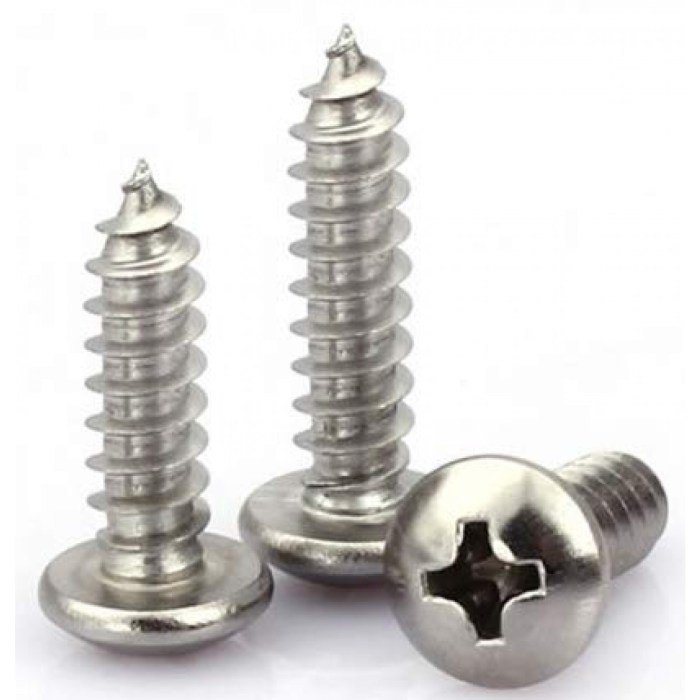
Ensuring the safe installation and use of screw-in curtain holders is paramount. Neglecting proper procedures can lead to injury, damage to property, or compromised functionality. This section details crucial safety considerations to mitigate these risks.Proper installation of screw-in curtain holders requires meticulous attention to detail, especially regarding the selection of appropriate fasteners and adherence to installation guidelines. The choice of screws and anchors is critical for the long-term security and stability of the holders, directly impacting the safety of the installation.
Choosing Appropriate Screws and Anchors
Selecting the correct screws and anchors is critical for a secure and safe installation. The type of wall material significantly influences the appropriate fastener selection. Different wall types (drywall, plaster, concrete) require different screw types and anchor designs. Using the wrong fastener can lead to failure, potentially causing the holder to detach, or even injury. Over-tightening can also compromise the wall integrity.
For example, using drywall screws in concrete can lead to stripped threads and a weak hold. Conversely, using anchors not designed for the wall type can result in a loose connection.
Safety Precautions During Installation
Adhering to safety precautions during installation minimizes the risk of accidents. Prior to drilling, ensure the wall location is clear of any electrical wiring or plumbing pipes. Using the correct drill bit for the screw type is essential to avoid damaging the wall or the screw head. Working with a helper, especially for heavy-duty installations, is highly recommended.
This assists in stability and reduces strain on the installer. Always wear safety glasses to protect eyes from debris during drilling. Also, use appropriate tools for the task. A power drill with appropriate settings and a sturdy work surface will reduce the risk of injury.
Securing Holders to the Wall
Ensuring secure fastening is critical for the longevity and safety of the curtain holders. Pre-drilling pilot holes with a drill bit slightly smaller than the screw diameter is essential for preventing wood splitting or damage to the wall. Ensure that the screw is fully seated in the anchor. Tightening the screw to the manufacturer’s recommended torque is vital.
Excessive tightening can strip the screw head or damage the wall, while insufficient tightening compromises the security of the holder. Use a torque screwdriver to ensure precise tightening. Regularly inspect the installation to identify any signs of looseness or damage. This is particularly important in high-traffic areas or locations with potential vibrations.
Potential Risks of Improper Installation and Avoidance
Improper installation can result in various hazards. Using insufficiently long screws or incorrect anchors can lead to a loose connection. The risk of the curtain holder detaching from the wall during use is elevated. This poses a safety hazard to individuals nearby. Incorrect installation techniques can cause damage to the wall, necessitating repairs.
The risk of falling objects or damage to the holder itself is also increased. Thorough preparation and adherence to the manufacturer’s instructions, combined with proper tool usage, minimize these risks. For example, a poorly installed curtain holder in a high-traffic area could cause the curtain to fall on someone, leading to injury. Ensuring correct installation methods and using appropriate fasteners mitigate this risk significantly.
Applications and Uses
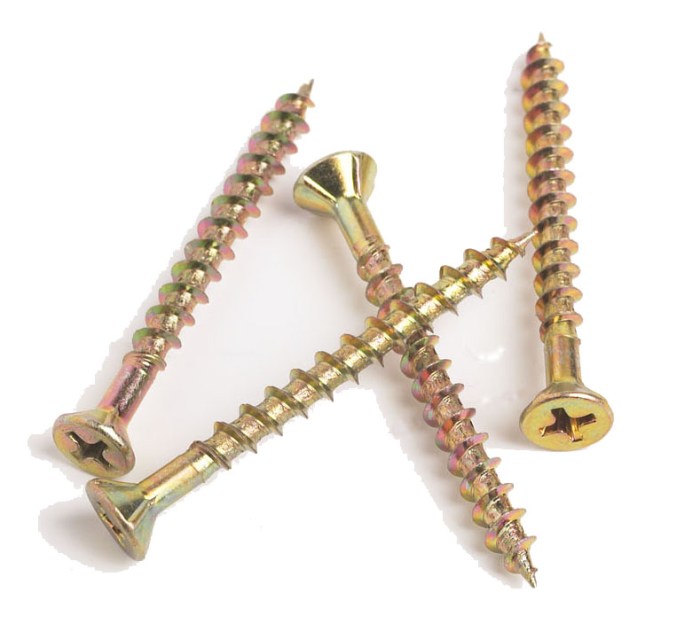
Screw-in curtain holders, with their straightforward installation and adaptability, are a versatile solution for window treatments across various room types. Their ability to seamlessly integrate into diverse design aesthetics makes them a popular choice for homeowners seeking functional and stylish window solutions. Their practicality extends beyond the basic function of holding curtains, offering subtle yet impactful enhancements to room ambiance.These holders provide a substantial upgrade to window treatments by allowing for greater control over light and privacy.
Their straightforward design and easy installation make them ideal for a wide array of environments, from traditional living rooms to modern bedrooms and bathrooms. The variety of styles and finishes available ensures that screw-in curtain holders can seamlessly blend into any interior design scheme.
Room-Specific Applications
Screw-in curtain holders are applicable in a multitude of spaces. Their design flexibility allows for a tailored solution for each room’s specific needs and desired aesthetic.
- Bedrooms: In bedrooms, these holders offer a practical and elegant way to manage curtains, providing a sense of privacy and control over natural light. The ability to adjust curtain positions easily allows for optimal light management during different times of the day. A simple, clean design can create a tranquil and calming atmosphere, while more elaborate designs can add a touch of sophistication.
- Bathrooms: Bathrooms often benefit from the discreet and sturdy nature of screw-in curtain holders. Their ability to mount securely on walls, coupled with their capacity to support various curtain types, makes them a functional choice for managing shower curtains and maintaining a visually organized space. The smooth, water-resistant finishes further enhance their suitability for high-moisture environments.
- Living Rooms: Living rooms frequently serve as a focal point of the home, and screw-in curtain holders can contribute to the overall aesthetic. Their versatility allows them to seamlessly integrate with various décor styles, from traditional to contemporary. This adaptability makes them suitable for creating a cohesive and visually appealing atmosphere.
Aesthetic Enhancement
The careful selection of screw-in curtain holders can significantly impact a room’s visual appeal. Their design features, such as finishes and styles, can complement or contrast with existing décor elements.
- Design Considerations: Consider the existing colour palette and design elements in the room when selecting curtain holders. Choosing holders that match or complement existing furniture, wall colours, or other accessories can create a cohesive look. Conversely, choosing holders that contrast can introduce an accent piece and add visual interest. For instance, brushed nickel holders can create a modern feel in a contemporary setting, while antique brass holders might complement a traditional or rustic design.
Design Ideas
The ability of screw-in curtain holders to accommodate various curtain styles and materials opens doors for creative design possibilities.
- Layered Curtains: In a living room, layering curtains of varying textures and colours can be enhanced by using multiple sets of screw-in curtain holders, strategically placed to manage each layer effectively. This approach adds depth and visual interest, creating a sense of sophistication.
- Modern Minimalism: A modern minimalist bedroom can benefit from sleek, unadorned screw-in curtain holders that match the room’s clean lines and neutral colour palette. The holders’ understated design will not distract from the room’s minimalist aesthetic.
- Rustic Charm: In a rustic-style living room, consider screw-in curtain holders with a warm, natural finish. The holders’ design will blend seamlessly with the room’s natural elements, further reinforcing the rustic theme. This can be achieved through the use of wood or dark metal finishes.
Dimensions and Specifications
Screw-in curtain holders come in a variety of sizes and configurations, crucial for ensuring a proper fit and functionality. Precise measurements are essential to avoid mishaps during installation and to maintain the aesthetic appeal of the finished look. Understanding the relationship between holder dimensions, window size, and curtain length is vital for a seamless installation.Accurate sizing ensures the curtain holders are appropriately spaced, enabling smooth, even curtain movement and preventing sagging or bunching.
Proper measurement and selection of the correct holder size guarantee a visually appealing and functional curtain setup.
Standard Dimensions
Screw-in curtain holders are available in a range of sizes, catering to various window types and curtain lengths. These dimensions are usually specified in inches or centimeters, with variations dependent on the manufacturer. A common standard for a single-holder application is 2.5 inches in length, offering versatility for a range of window sizes.
Measuring for Specific Window Sizes and Curtain Lengths
Precise measurements are paramount for a successful installation. Begin by measuring the width of the window frame. Consider the desired placement of the holders and account for the width of the curtain. For example, if the window is 48 inches wide, and you want the curtains to be 12 inches from the edge, this means 24 inches of space between holders.
Additionally, account for the length of the curtain required for optimal drape. For instance, a 6-foot-tall window, with a 9-foot-long curtain, might necessitate a different holder design and spacing.
Table of Sizes and Uses
| Size (in inches) | Window Type | Use |
|---|---|---|
| 2.5 | Standard, single-panel windows | Ideal for light to medium-weight curtains and sheer panels. |
| 3.5 | Larger windows, double-panel curtains | Suitable for heavier curtains and drapes. |
| 4.0 | Bay windows, french doors, wide windows | Offers more space for wider curtains, creating a dramatic effect. |
| 5.0 | Expansive windows, multiple curtain layers | Ideal for large windows with heavy curtains and intricate designs. |
Cost and Value
The cost of screw-in curtain holders varies significantly depending on the material, design, and brand. Understanding the price-quality relationship is crucial for selecting the optimal solution for a given application. Factors such as durability, aesthetic appeal, and installation ease influence the final price. A detailed breakdown of price ranges and associated features will help consumers make informed decisions.
Comparing Prices of Different Types
Different types of screw-in curtain holders offer varying price points. Basic, single-holder models typically have the lowest price, often made from readily available materials. More sophisticated designs, including those with multiple holders for heavier curtains or enhanced aesthetics, will command a higher price. Luxury options, often crafted from high-grade metals or featuring intricate finishes, will carry the highest price tags.
Value Proposition Across Brands
The value proposition of screw-in curtain holders extends beyond the initial price. Consider factors like the holder’s longevity, ease of installation, and compatibility with various curtain types. A more expensive holder might offer superior durability and a longer lifespan, justifying the higher price. Conversely, a less expensive option may suffice for lighter curtains or shorter-term use.
Price and Quality Correlation
A direct correlation often exists between price and quality in screw-in curtain holders. High-quality materials, robust construction, and meticulous design contribute to a higher price point. These features usually translate to improved durability, resistance to wear and tear, and a longer operational life. Conversely, lower-priced options may sacrifice some durability or design features, impacting their overall value proposition.
Brand Comparison Table
| Brand | Price Range | Features |
|---|---|---|
| Evergreen | $5-$15 | Simple design, basic materials, suitable for light-weight curtains, relatively quick installation. |
| DuraHold | $15-$30 | Sturdier construction, wider range of sizes and styles, corrosion-resistant materials, suitable for heavier curtains, extended warranty. |
| PrestigeHold | $30-$60 | High-quality metals, intricate designs, customisable options, enhanced aesthetics, lifetime warranty. |
Alternatives and Competitors
Screw-in curtain holders, while offering a straightforward and often cost-effective solution, are not the only game in town. Understanding alternative methods and competing products is crucial for evaluating their true market position and potential. This section explores the various options available to consumers, comparing their strengths and weaknesses against the screw-in variety.
Alternative Curtain Hanging Methods
A range of alternative curtain hanging methods cater to diverse needs and preferences. These methods offer distinct advantages and disadvantages compared to screw-in holders, influencing the overall choice for a particular application.
- Ring and Rod Systems: These systems use rings to hold the curtain fabric and rods for support. They provide a visually appealing and flexible approach, allowing for easy curtain changes and adjustments. They are often preferred for their aesthetic appeal and ability to accommodate different curtain styles, but may require more upfront investment and installation effort compared to simple screw-in holders.
- Tension Rods: Tension rods are a popular choice for light-to-medium-weight curtains and are ideal for situations where drilling into walls isn’t possible or desirable. These rods rely on tension for support, making them suitable for temporary or less permanent installations, but their load-bearing capacity is typically lower than screw-in holders or traditional rod systems.
- Track Systems: Track systems provide a streamlined and sophisticated way to hang curtains. Curtains glide smoothly along the track, creating a clean and modern aesthetic. Track systems can be more expensive than other options but are often preferred for their smooth operation and versatility in handling heavier curtains.
Comparison of Hanging Methods
A direct comparison of different curtain hanging methods reveals significant distinctions in terms of installation, aesthetics, and durability.
| Feature | Screw-in Holders | Ring and Rod Systems | Tension Rods | Track Systems |
|---|---|---|---|---|
| Installation | Simple, often requiring basic tools | Often requires some assembly, potentially more time-consuming | Fast and easy, often no drilling required | More complex, needing precise measurements and potentially specialized tools |
| Aesthetics | Minimalist, unobtrusive | Visually appealing, can be customized | Unnoticeable, subtle design | Modern and clean |
| Load Capacity | Generally good, but depends on the type of holder and wall | Depends on the rod and rings, potentially lower for heavy curtains | Limited, suitable for lighter curtains | High, suitable for heavy curtains and drapes |
| Cost | Usually inexpensive | Moderate to high, depending on the quality of materials | Inexpensive | Generally high |
| Maintenance | Easy cleaning and maintenance | Easy to clean and maintain | Easy cleaning and maintenance | Easy cleaning and maintenance |
Competitors in the Curtain Holder Market
Several companies compete in the curtain holder market, each with their own product lines and marketing strategies. Identifying competitors allows for a more thorough understanding of the market landscape.
- Major Home Improvement Retailers: Home Depot, Lowe’s, and other major retailers often offer a wide selection of curtain holders, including screw-in options and alternatives, competing based on price and product variety.
- Specialized Curtain Hardware Manufacturers: Companies specializing in curtain hardware often offer higher-end, more aesthetically sophisticated products, differentiating themselves based on design and quality.
- Online Retailers: Online marketplaces offer a diverse range of curtain holders, including niche products and direct-to-consumer options, providing a platform for smaller manufacturers to compete.
Advantages and Disadvantages of Screw-in Holders
Screw-in curtain holders present a balanced combination of advantages and disadvantages when compared to alternative methods.
- Advantages: Easy installation, typically affordable, and often robust for supporting moderate to heavy curtains.
- Disadvantages: Potentially less visually appealing than some alternatives, and may not be suitable for all wall types or situations where drilling isn’t permitted.
Customer Reviews and Feedback
Consumer sentiment toward screw-in curtain holders reveals a mixed bag, with positive experiences often intertwined with specific pain points. Understanding these nuances is crucial for product refinement and maintaining customer satisfaction. Reviews highlight both the ease of installation and the sturdy hold, but also expose common challenges related to compatibility and material quality.Customer feedback offers invaluable insights into the practical application and perceived value of screw-in curtain holders.
This analysis examines a range of customer experiences, from enthusiastic endorsements to critical assessments, to provide a comprehensive view of the product’s strengths and weaknesses.
Positive Customer Experiences
Customer reviews often praise the straightforward installation process of screw-in curtain holders. Many comment on the ease with which they can mount their curtains, often contrasting this with more complex installation methods. This ease translates into a positive initial user experience. Some highlight the durable construction, appreciating the holders’ ability to withstand the weight of their curtains over time, indicating a long-term solution.
Negative Customer Experiences
Several reviews mention compatibility issues with various curtain rod sizes and styles. This highlights the importance of precise product selection and clear specifications regarding compatibility. Concerns regarding the durability of the mounting hardware, particularly in high-moisture environments, are also frequently raised. Furthermore, some customers report difficulty finding the appropriate size for their specific application, indicating a need for more comprehensive product variations or clearer sizing guidelines.
Common Customer Issues
A recurring theme in customer feedback is the reported difficulty in selecting the correct size or type of screw-in curtain holder for specific curtain rods. This issue is amplified by the wide variety of curtain rod diameters and materials available in the market. A lack of clear size specifications or accompanying visual aids in product listings can further complicate the selection process.
Another significant concern involves the reported susceptibility of certain holders to rust or corrosion in high-humidity environments. This points to a need for more robust materials or better protective coatings.
Frequently Asked Questions
A detailed summary of frequently asked questions concerning screw-in curtain holders reveals consistent inquiries about compatibility, installation, and maintenance. Customers frequently seek clarification on the appropriate screw length for various wall types and the best methods for preventing rust in humid climates. Further, there are repeated questions about the weight capacity of different holder models and the appropriate spacing between holders for optimal curtain support.
Final Review
In conclusion, screw-in curtain holders provide a robust and adaptable solution for curtain hanging, catering to various styles and budgets. This guide has highlighted the crucial factors to consider when choosing and installing these holders, emphasizing both aesthetic appeal and practical functionality. From the initial material selection to the final installation steps, understanding these considerations will guarantee a successful and satisfying outcome.
Ultimately, the correct choice depends on the specific needs and preferences of the individual.